
Looking Back
When a long career comes to a close, one may wonder quietly as to what legacy one has left behind. A legacy is an endowment of the riches that one accumulates from learning and experience, and it is offered, without conditions, to the generations that come after us, to benefit them the way we had benefitted from those who come before us. The hope is that the initial capital of knowledge and wisdom may generate a self-sustaining interest, growing far more fruitful than the original seed. A legacy can only sprout after one dies, for, until then, it remains a work in progress.
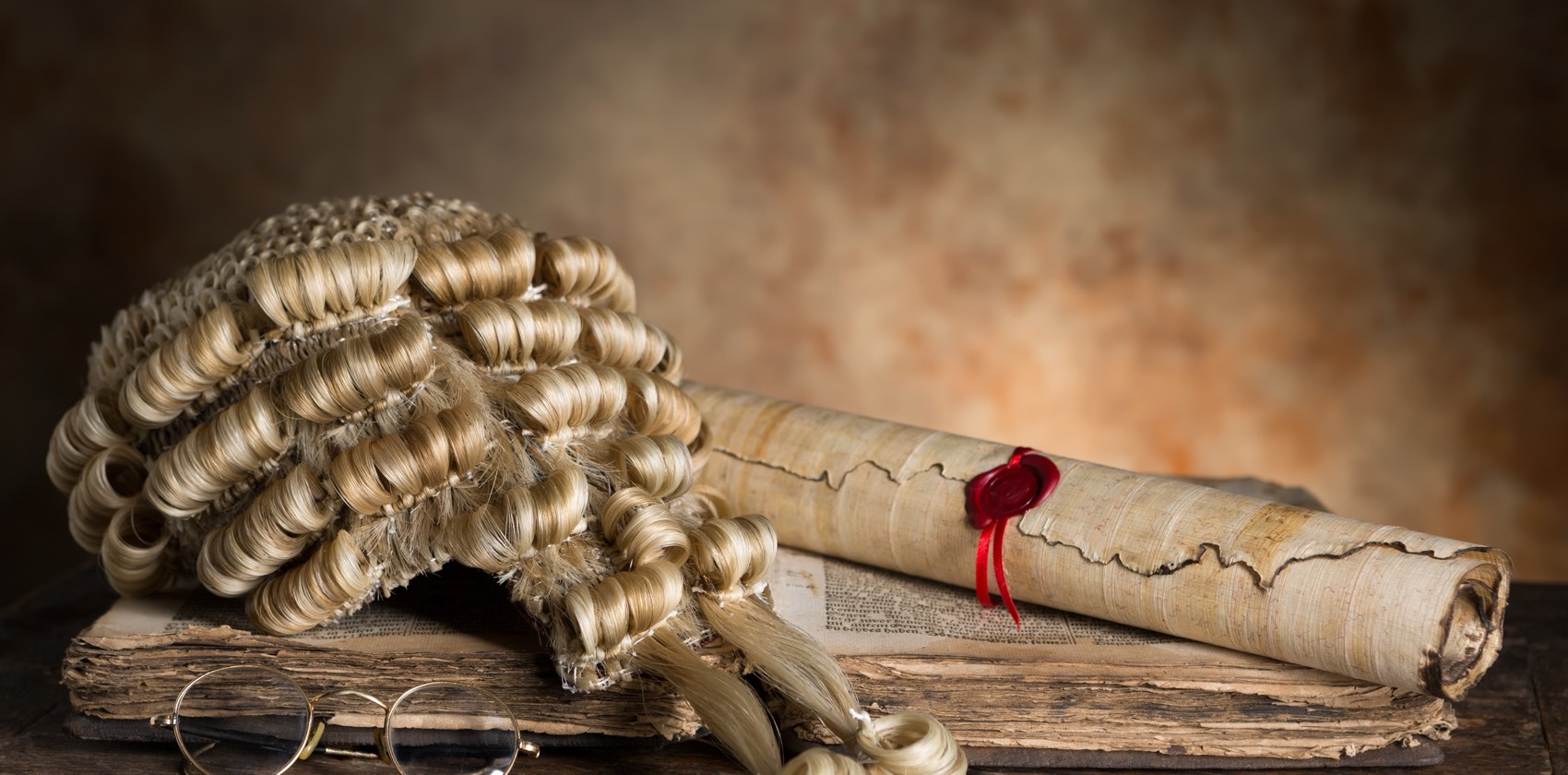
Science can be a major disruptor of life and culture. Scientific progress is inexorable and therefore, some of the more valuable lessons we can leave behind concern how one deals with the changes that have taken place over the years. When I left student life and entered the profession as a pupil (now known as a ‘practice trainee’) on 1 April 1979, I was introduced to a practice world filled with nostalgia of Englishness – judgements of English judges and their habits (their wearing apparel, robes and wigs and all). Pupils in conveyancing practices are shown reams of old conveyancing documents, all neatly and beautifully written in cursive, often by the firm’s clerks. Those documents of title are invariably adorned with colourful stamps representing paid ‘stamp duties’.
In the tradition of the barrister, advocates here practise their court craft in like vein, weaving their client’s story in the examination-in-chief like a master storyteller, and then relishing the cross-examination of opposing witnesses as they end their performance in court. Finally, ending his case with an eloquent closing speech. Indeed, the final submissions as we know it today were often referred to as ‘the closing speech’. Where the opening speech that precedes the calling of one’s first witness is the oratory of promise – the promise of what evidence counsel will be adducing, the closing speech is a reminder to the court of promises made and fulfilled, draped with the call for justice for the client.

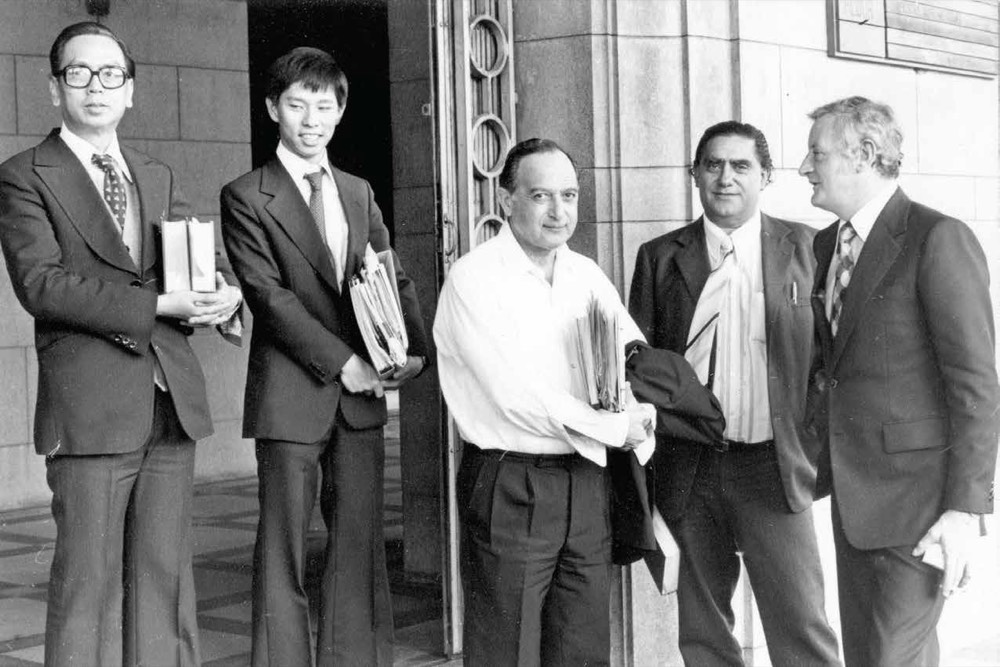
Looking back, in 1979, we had just graduated from a law school structured in the traditional British university’s style of purely academic courses. There were no courses on how to appear in court or what to say when we get there. There were also no courses on how to draft documents required in the practice of law. We had basic lessons on how to do research, and even that was mainly teaching us how to read library catalogues and find citations of cases.
We taught ourselves how to write case summaries because the photocopying charge for a page of a law report cost twenty cents – the same price as a bowl of fish ball noodles at that time. I did not see a facsimile machine and a faxed document until the early 1980s. We were careful with our drafting, inexperienced as we were, because mistakes were time consuming – we had to redraft copy by copy, either by hand or the old typewriter. Even the ones that allow instant correction came around the time of the fax machine. There was no spellcheck and proof-reading required two persons – one to read aloud and the other to follow and spot the mistakes.
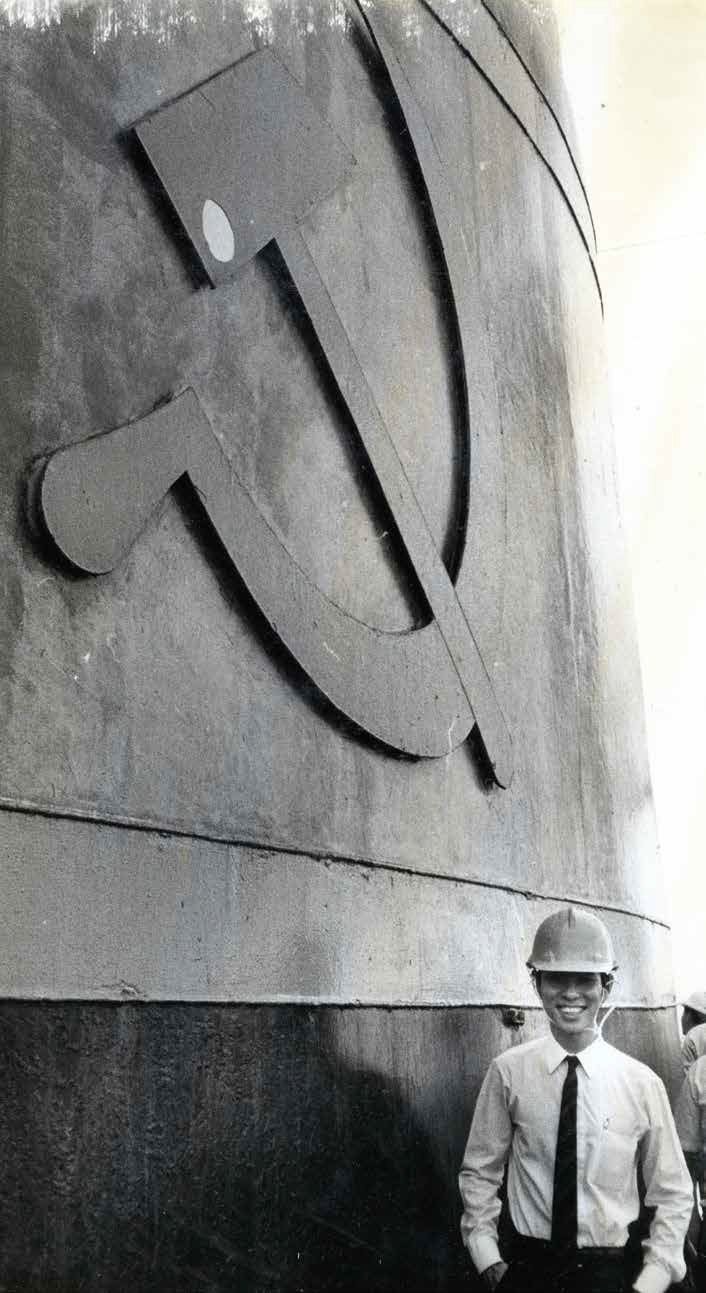
1983 – Public Inquiry into the Sentosa Cable Car Accident. Justice Choo Han Teck (then in practice) with Mr Howard Cashin representing Keppel Shipyard at the public inquiry into the Sentosa cable car accident involving the rig Eniwetok. The inquiry was presided over by Justice Lai Kew Chai.
What we did have then were seasoned lawyers trained in the old school, lawyers who were skilled in analysing the cases – that is, the cases they were representing their clients, and not just the cases they needed to cite to the court. They were also skilled, in very individual ways, in the manner in which they presented their cases. They were the epitome of trial advocates. There were at least two or three of such counsel in the big and medium sized firms. Furthermore, Queen’s counsel were also engaged, especially by firms that do not have a strong local counsel. Young lawyers have much to learn, and many to learn from. And because of that, young lawyers get their baptism of fire in court very early in their career. My own solo trial came in the second month after I was admitted to the Bar.
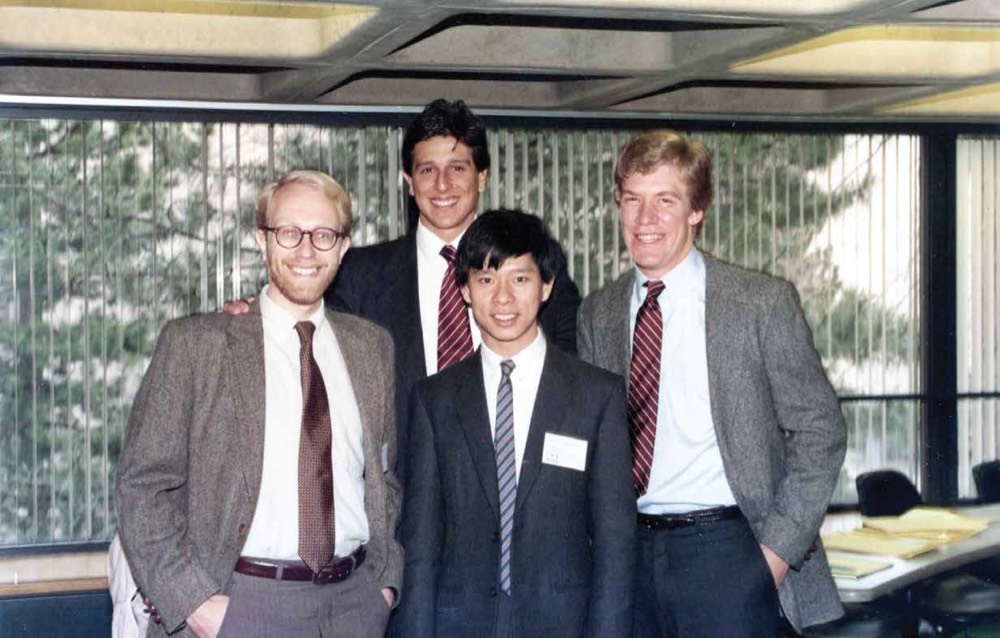
Decades later, as we entered the new millennium, not only had practice been changed but so has the curriculum in the study of the law. We now have courses on legal drafting and basic courses in trial advocacy. Evidence-in-chief is exchanged by way of affidavits, eroding, in some ways, the skill of eliciting a litigant’s story. It also affects the cross-examination because counsel has more time to plan what he hopes to achieve in cross-examination. The result is that courtroom drama becomes less dramatic, and more technical. Artificial intelligence has taken over research and drafting. It is also playing a big role in the analysis of legal issues.
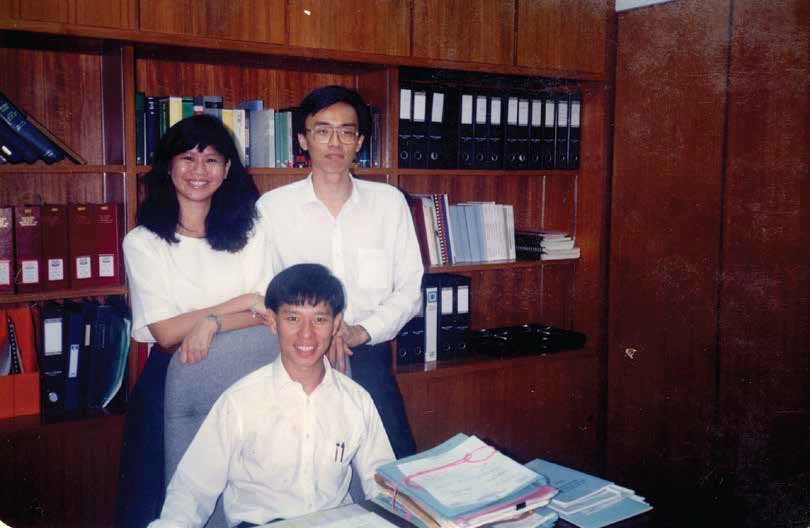
The advent of the email and other electronic means of communication had produced a far greater volume of documents for discovery and, accordingly, greater scrutiny and inquiry through the discovery and the interrogatory process. We began practice by drafting our letters and other documents by hand, and sometimes by dictating to the secretaries. The ubiquitous presence of the personal computer saw the end of dictating letters.
Although the explosive expansion of documents is being handled by artificial intelligence, the modern lawyer will have to discover how he stays relevant when there is hardly any area in the teaching and the practice of law that is not dominated by the brain in the laptop. I believe, however, that the human brain itself is an indomitable organ. It will find a way through the new paths opening up every year.