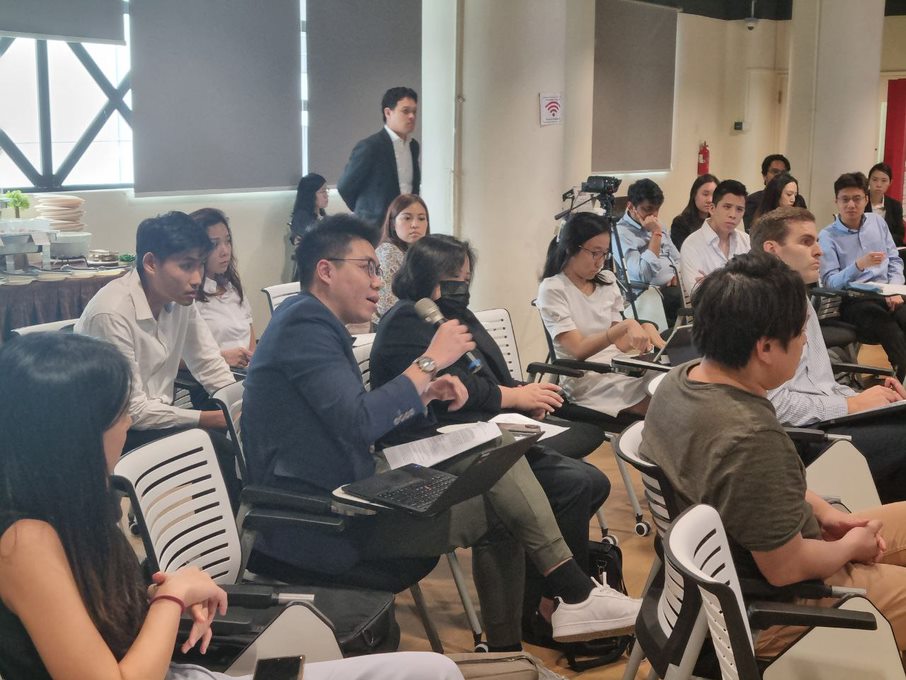


Opening Address by President Lisa Sam at the Advocacy Without Advocating Seminar
2.11k
- Good afternoon, everyone. Welcome to today’s seminar, “Advocacy Without Advocating: Making a Difference as a Young Lawyer in a Supporting Role”.
- As young lawyers, you have the same right of audience and are held to the same high standards and responsibilities. Feeling apprehensive or even intimidated when you step into a courtroom, sit at the negotiation table, or meet with important clients is natural. However, these feelings of doubt do not define your potential. They are just part of the journey to becoming a good advocate.
- Law practice is an art, as advocacy is a sophisticated skill mastered in different ways. Today, I would like to recommend three key types of advocacy: legal advocacy, mediation advocacy, and client advocacy, all essential to becoming an accomplished lawyer. Let’s call them – the hard, the soft and the defensive skills.
Legal Advocacy: The Hard or Technical Skills
- Legal advocacy involves navigating the technical aspects of law – guiding clients through complex rules, taxes, treaties and legal systems. This can sometimes be overwhelming. As a legal advocate, you guide clients through legal processes and represent their best interests. You may specialise in practice areas like dealing only with international transactions or dispute resolution, but at the core, your responsibility is to advocate for your clients effectively.
Mediation Advocacy: The Soft Skills
- Mediation advocacy requires different skill sets — what we often call the “soft skills.” I encourage you to explore and develop your soft skills. Mediation allows for open discussions, which are fascinating and require a shift in mindset as a facilitator. It is not about deciding who’s right or wrong; it’s about patience, being perceptive, allowing parties to deviate from the core issues at times, ensuring everyone feels that they have been heard and finding common ground. This is very different from litigation or any formal dispute resolution, where the goal is to prevent self-incrimination, crystalise issues and win the case.
- A senior lawyer once told me he had to “unlearn” some of his courtroom skills to succeed and become an effective mediator.
Client Advocacy: The Defensive Skills
- Finally, let’s talk about client advocacy. This area is crucial, and though it can be challenging, do not be discouraged. How many of you have heard the age-old saying, “Your client is your greatest enemy”? We often consider judges, opponents, or bosses our main challenges. However, clients who rely on you for legal help can sometimes be the most difficult to manage.
- Some clients may not be honest with you and want to push boundaries. They become your adversary instantly when you talk about paying your legal fees or they do not get the outcomes they want.
- It’s crucial to manage clients well from the start. Set clear expectations, maintain good records, and communicate regularly. Defensive practice is key. Good clients will understand and respect the balance you must strike between serving them and upholding your duty to the Court. Others may see you as just a “hired gun”. Regular communication and seeking advice from colleagues or mentors can make all the difference between getting into trouble or managing it well.
- The good news is that all three advocacy skills improve with time and experience. As you gain exposure, things will get easier, if not clearer. As a supporting lawyer, keep an open mind and take every opportunity to learn. Advocacy isn’t about being the loudest voice in the room; it’s about mastering the ability to manage fast-changing situations as they evolve and adapting your message when needed. Like any skill, it strengthens with practice.
Conclusion
- We are fortunate to have a group of seasoned lawyers leading today’s session. They have generously taken time from their busy schedules to share their knowledge and expertise. Their involvement reflects their importance in shaping the next generation of legal practitioners.
- Let us take a moment to thank them for their valuable contributions and give them a round of applause. Please raise your hands when I call out your name: Melvin Loh, Rachel Leong, Sandi Tun, Steven Lo, Priscilla Wang, Siraj Omar SC, Sheryl Koh, and Shaquil Woozeer.
- I commend the Young Lawyers Committee members for their dedication to organising this seminar and working tirelessly to support young practitioners’ development. Keep up the excellent work!